
Choosing the Right Simultaneous Interpretation Equipment for Your Event


When your audience speaks multiple languages, the difference between confusion and clarity often comes down to the quality of your simultaneous interpretation equipment. Selecting the right setup is not just an AV decision. It affects comprehension, engagement, and the perceived professionalism of your event. At the same time, choices vary widely depending on venue size, session format, and language count. This guide brings practical, vendor-agnostic advice informed by the event support experience of C-KAT Translations and Interpretations.
Whether you are planning a board briefing or a multi-track summit, you will learn what matters, what is optional, and how to avoid the pitfalls that undermine audience trust and speaker flow.
Table of Contents
Quick Summary
Effective interpretation depends on the right match between event goals and technical design. Define languages, rooms, and session formats first, then select distribution technology, consoles, and booths that serve those needs. Consider audience size, coverage, audio routing, and redundancy. For the best simultaneous interpretation equipment results, align interpreters, technicians, and venue staff during a structured rehearsal.
Finally, verify receiver counts, battery plans, and signage to keep listeners on the correct channel. If you need support across Conferences & Summits, Corporate Meetings, or Trade Shows, coordinate early with a specialist who can align equipment choices with your agenda, venue acoustics, and run of the show.
What Counts as Simultaneous Interpretation Equipment and Why It Matters
At its core, this category includes interpreter booths, interpreter consoles, microphones, headsets and receivers, wireless distribution systems, mixers, and monitoring. Each piece must work together to deliver clean audio from floor to booth to the audience. When a component in the chain is not functioning properly, it can lead to noise, dropouts, or latency, which can distract from the content instead of effectively conveying it.
Getting the fundamentals right starts with reliable microphones for speakers, clean routing to interpreters, and stable last-mile delivery to listeners. Prioritize intelligibility over extra features. If your audience cannot hear clearly, even the strongest subject matter or speaker cannot recover the experience.
For a deeper dive into selecting talent and building your team around the technology, read The Complete Guide to Hiring a Simultaneous Interpretation Translator for Events in Saudi Arabia.
When evaluating options, look closely at audio distribution. It determines how consistently your message reaches the room without interference or crosstalk. The cleaner the signal path, the more confident your interpreters and attendees will feel during key moments.
The Core Components You Will Need
Think of your solution as a connected system. Each element supports a specific step of the signal path from the floor microphone to the audience headset. Understanding the role of each component helps you ask the right questions and set realistic expectations.
Booths
Mobile interpretation booths offer acoustic isolation so interpreters can focus and avoid distracting the room. When full booths are impractical, tabletop enclosures with proper microphone technique can work for smaller rooms. Match booth placement with lines of sight to the stage and stable audio feeds.
Consoles
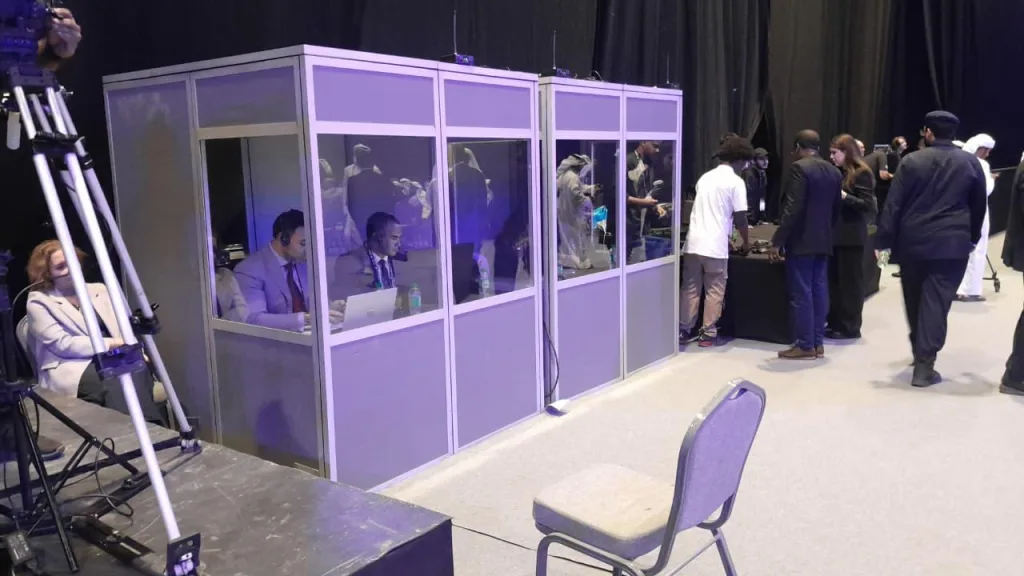
The interpreter’s desk unit manages input monitoring, outgoing language channels, and handover between interpreters. Choose a setup that supports your language count, includes clear relays, and offers consistent volume control. A reliable interpreter console can prevent on-air errors and smooth transitions between partners.
Receivers and Headsets
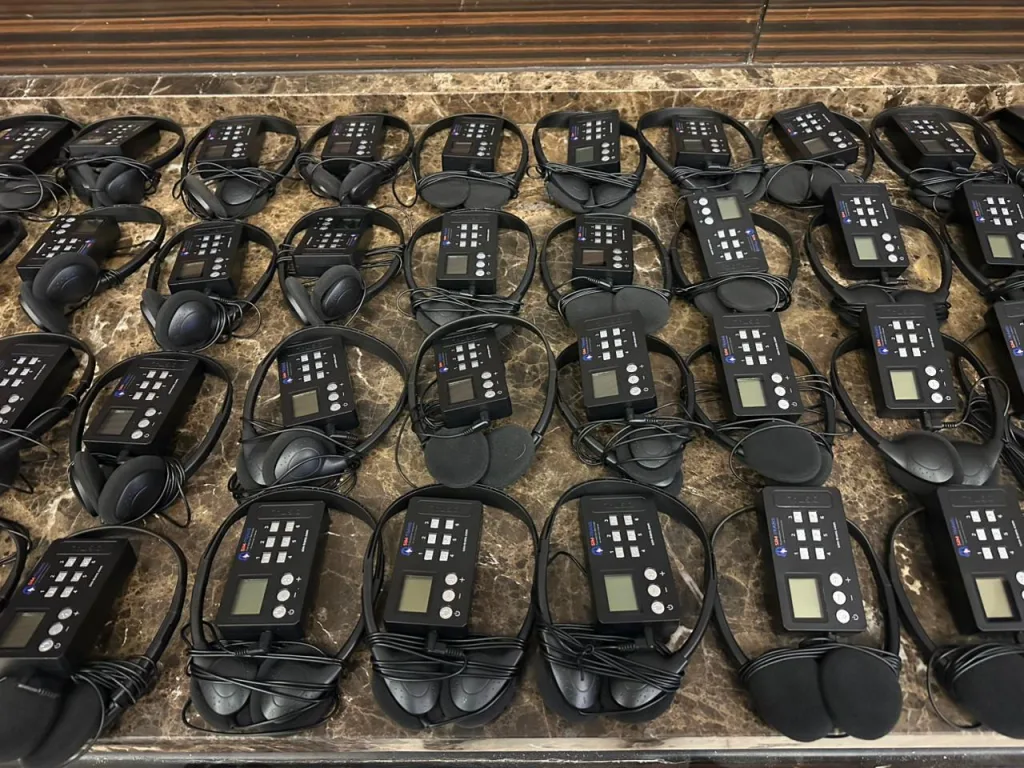
Audience members tune to their chosen channel using lightweight receivers or app-based solutions. Prioritize comfort, clear labeling, and easy channel selection. Plan for spare units, accessible support desks, and simple instructions to help guests get listening quickly.
Microphones and Mixers
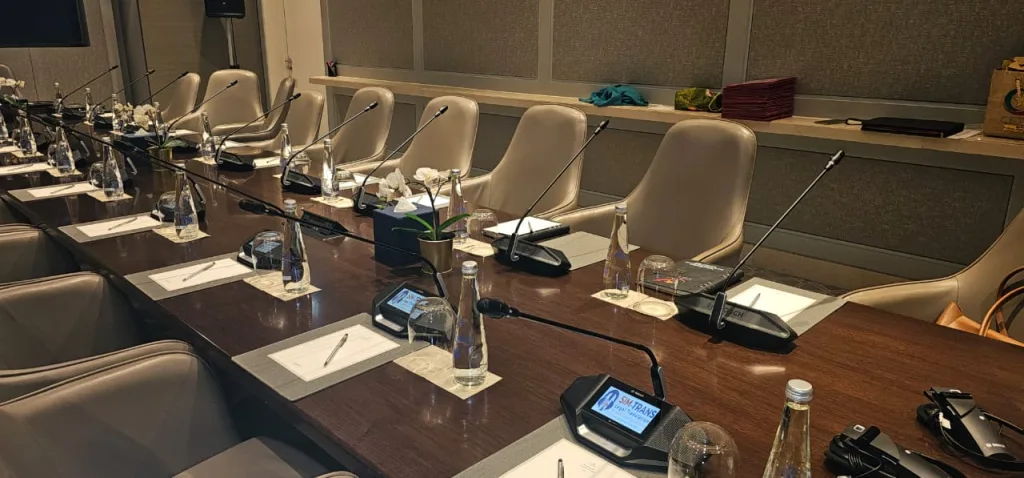
Speakers and panelists need dependable microphones routed through a mixer that can feed both the room and the interpreter booth. Clear, low-noise audio in the booth is essential, and it starts with good mic choice and disciplined mic technique by speakers.
Distribution Systems
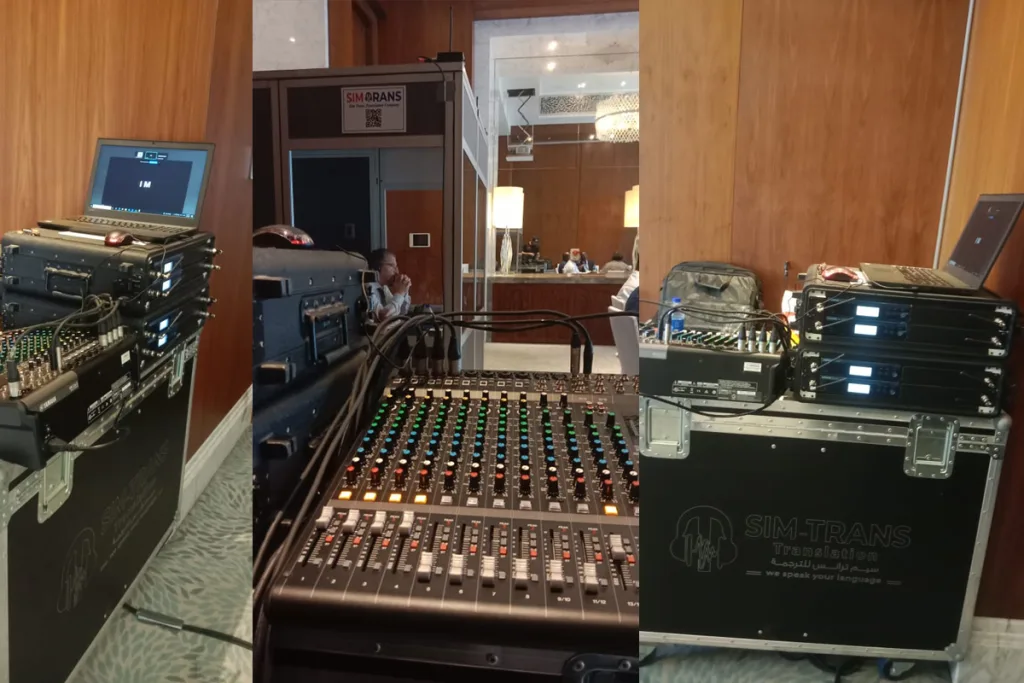
Your last-mile delivery can be infrared, RF, or digital app-based. Each option has tradeoffs in coverage, security, and setup time. The best path aligns with the venue, room layout, and number of languages you plan to support.
Monitoring and Recording
Technicians should monitor the floor and interpret channels to catch clipping, dropouts, or balance issues in real time. If recordings are required, confirm legal and participant permissions as appropriate and route clean feeds per session.
Language Channels, Coverage, and Scalability
Before debating brands, decide how many languages you must serve at once. Every language adds a channel, more receivers, and potentially another booth. Factor in relay scenarios when interpreters work from another interpreted language rather than directly from the floor.
Scalability hinges on clean channel management. Ensure that technicians can label, monitor, and adjust channels quickly. Clear signage, printed cards, and quiet help desks reduce confusion for attendees who change rooms or language preferences mid-day.
Coverage includes both physical range and user flow. Map where people will listen: plenary hall, breakouts, or demo zones. Confirm receiver counts with a margin for unexpected demand, and build a plan for battery rotation so listeners do not lose service halfway through a keynote.
Distribution Technologies: IR, RF, and App-Based
Infrared, radio frequency, and app-based systems each serve different environments. Infrared favors privacy and limits spillage to line-of-sight areas. RF covers larger or obstructed spaces but may require careful frequency coordination. App solutions reduce hardware distribution but increase reliance on venue Wi-Fi and attendee devices.
No single approach is universal. Hybrid designs work well in complex venues, where a plenary might use IR while adjacent demos rely on RF or a mobile app. When evaluating the best simultaneous interpretation equipment, test in similar conditions and prioritize resilience over novelty.
| Technology | Strengths | Considerations |
|---|---|---|
| Infrared | Line-of-sight coverage, room privacy, minimal RF interference | Requires direct sight to emitters, sensitive to obstructions or bright light |
| UHF/VHF RF | Good range, penetrates obstacles, flexible channel counts | Needs frequency planning, potential RF congestion in dense environments |
| Digital 2.4 GHz | Compact hardware, quick setup, clear audio | Shares spectrum with Wi-Fi, may require careful placement and testing |
| App-Based Streaming | No receiver distribution, personal devices, scalable channels | Dependent on stable Wi-Fi and device batteries, variable latency |
Room Layout, Acoustics, and Booth Placement
Great gear underperforms in a difficult room. Hard surfaces increase reverberation, which reduces intelligibility and stresses interpreters. Simple measures like carpeted areas, drapes behind stages, and thoughtful speaker placement can materially improve audio clarity.
Booth placement should balance interpreter visibility and minimal sound leakage. If full booths are impossible, position tabletop units away from loudspeakers and aisles. Coordinate cable runs early so you are not forced into compromises during setup.
Plan for signage at room entries that lists channels and languages. This small step reduces delays as guests take seats and helps prevent support desks from becoming bottlenecks before sessions begin.
Tailoring Equipment to Key Event Types
Conferences & Summits
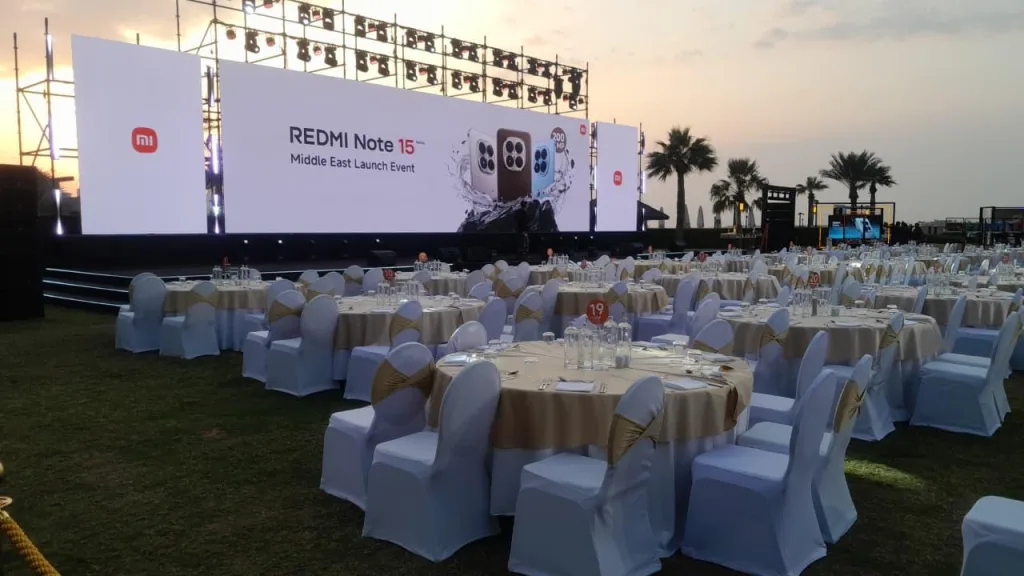
Plenary halls often require higher channel counts, larger receiver pools, and robust backstage monitoring. Consider one high-reliability distribution method for the main room and a separate approach for breakouts. The complexity of conference interpreting increases with multiple tracks, so align technicians with stage managers via headsets and clear run sheets.
Corporate Meetings
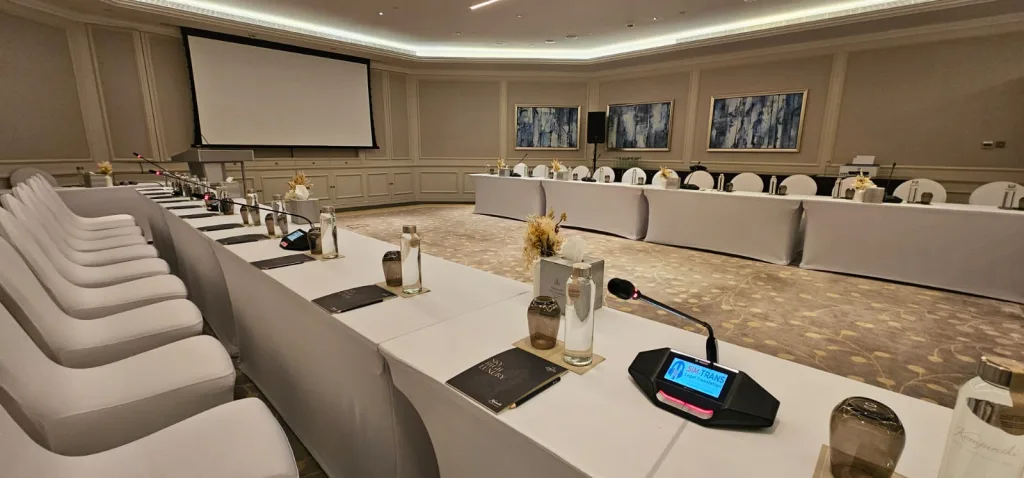
Board updates and leadership briefings tend to prioritize confidentiality and minimal intrusion. Choose discreet setups with quick in-out times and a low visual footprint. In smaller rooms, equipment for simultaneous translation can be simplified as long as key audio paths remain clean and reliable.
Trade Shows
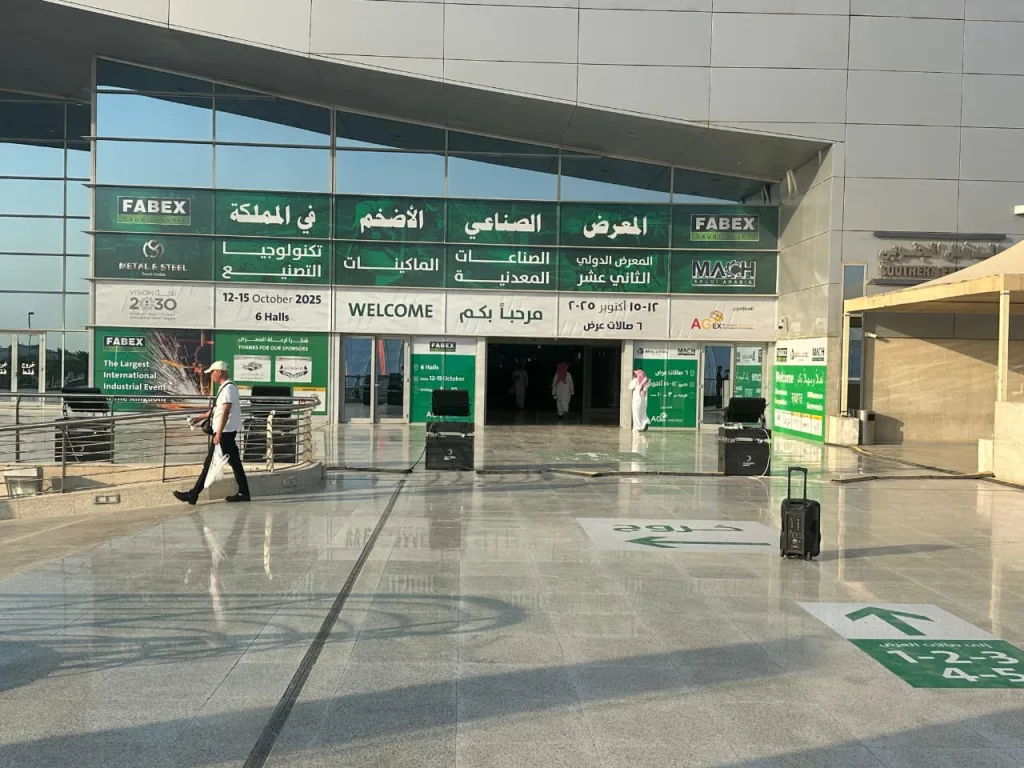
Open-floor demos create noise and movement that challenge intelligibility. Directional microphones, focused emitter placement, and extra receivers for walk-ups help maintain clarity. Consider mobile or app-based delivery for roaming attendees who want to follow live interpretation between booths.
Operations: Technicians, Testing, and Redundancy
Successful delivery relies on skilled technicians who understand interpretation routing, not just general AV. Schedule a sound check with interpreters, test relays, and simulate handovers. This ensures that the audio levels, channel labeling, and talkback function properly before the doors open.
Build simple redundancy: spare microphones, backup power for critical devices, and documented fallbacks if a channel fails. Keep sanitization kits, extra ear pads, and clear check-in processes to maintain comfort and hygiene across high-traffic sessions.
Finally, create a quick-reference sheet for your team covering channels, key contacts, and escalation paths. Speed matters when a presenter begins and an interpreter needs a level tweak or a replacement headset.
Planning for Events in Saudi Arabia
Venues in Saudi Arabia vary from modern conference centers to flexible hotel spaces. Verify in advance how booths can be placed, where cabling may run, and whether ceiling fixtures could obstruct infrared coverage. In larger halls, confirm load-in windows and security procedures that may affect setup timelines.
Privacy and a small environmental impact are frequently given top priority by organizers of executive meetings in Riyadh. App-based or compact RF systems can work well if Wi-Fi and spectrum conditions are stable. For large public sessions, many teams prefer IR for room-contained coverage and straightforward channel signage.
When you collaborate with a local partner, you can align vendor approvals, language rosters, and cultural expectations. This reduces the risk of last-minute changes and ensures interpreters and equipment are matched to room acoustics and audience needs.
Rental vs Purchase and Vendor Collaboration
Most organizations rent interpretation systems to match each event’s unique scale and venue conditions. Renting enables you to switch between IR, RF, or hybrid designs and update receiver counts as your audience grows. Purchasing can be efficient for frequent in-house events with similar parameters, as long as you have expert support.
Regardless of ownership, prioritize a vendor who can staff technicians, coordinate with your AV provider, and provide rehearsal time. A collaborative planning session often reveals simple choices that avoid congestion, improve signage, and streamline audience onboarding to their language channels.
If you need a single point of contact for interpreters, equipment, and technical support, a language services provider with event experience can simplify coordination and ensure consistent outcomes across venues and formats.
A Practical Framework to Choose Your Setup
Use this step-by-step path to reduce guesswork and reach a stable design that serves your speakers, interpreters, and audience without overcomplication.
- Define purpose and audience. Clarify session goals, expected turnout, and how many languages you will carry at once. Start with a focused needs assessment to prevent overbuying or underestimating complexity.
- Map rooms and flows. Identify plenaries, breakouts, and demo areas. Note obstructions, rigging limits, and any Wi-Fi policies that affect app-based options.
- Select distribution method. Choose IR for contained rooms, RF for range and obstacles, or app-based for device convenience. Hybridize when a single approach cannot serve all spaces.
- Specify core gear. Confirm booth types, interpreter consoles, microphones, mixers, and monitoring positions. Align talkback and relay strategies with interpreter preferences.
- Plan channels and labeling. Assign each language a unique ID and color. Prepare printed cards and signage for entrances, chairs, and support desks.
- Estimate receivers. Base counts on registered languages plus a buffer for walk-ins. Organize battery charging rotations and spare headsets.
- Schedule rehearsal. Test floor mics, interpreter handovers, and recording if required. Document quick fixes for levels, channel swaps, or unexpected panel changes.
- Operate and review. During the event, please log all incidents and outcomes. Afterward, review what worked and what to improve for your next meeting or show.
For deeper staffing and coordination insights, see descriptive partial-match text related to the main topic to pair the right interpreters with your chosen equipment and agenda flow.
FAQs

Simultaneous happens in real time, with interpreters speaking as the presenter talks. Consecutive occurs after the speaker pauses. Simultaneous typically needs booths, consoles, and receivers, while consecutive can work with simpler setups.
Start with registered attendees by language and add a safety margin for late changes and unregistered guests. Please confirm the plan with your technician, taking into account room capacity and anticipated walk-ups.
Not always. If you control the acoustics and use a strong microphone technique, tabletop enclosures can be effective for smaller corporate meetings. For larger Conferences & Summits, full booths are recommended.
It depends on your venue, audience, and privacy needs. IR suits are designed for contained rooms, RF is suitable for larger or obstructed areas, and app-based solutions are convenient when Wi-Fi and devices are reliable.
Yes, with careful planning. Some systems can be split or redeployed for breakouts. Verify that you have enough channels, technicians, and time to reconfigure between sessions.
Ensure consoles support relay workflows and that technicians label channels clearly. Please rehearse the process to ensure interpreters can switch smoothly during live interpretation.
Once all equipment is in place, schedule the rehearsal as early as the venue permits. A focused run-through with interpreters, AV, and technicians reduces surprises and confirms channel labeling.
The equipment for simultaneous translation is user-friendly due to its simple channel selection, clear labeling, comfortable headsets, and reliable coverage. A staffed help desk near entrances speeds up distribution and support.
Conclusion
Choosing simultaneous interpretation equipment is ultimately about reliability, intelligibility, and audience comfort. Define your languages, rooms, and flows first, then select technology that supports those needs without adding unnecessary complexity. Align interpreters, technicians, and AV so the message remains central and the technology stays invisible to attendees.
If you want a partner who can coordinate interpreters, rental gear, and on-site support, C-KAT Translations and Interpretations is ready to help across Conferences & Summits, Corporate Meetings, and Trade Shows. Contact C-KAT Translations and Interpretations for expert assistance. With a practical plan and the right team, your multilingual sessions will run smoothly, keep speakers confident, and give every attendee a clear path to understanding.